One day at a time: A story of welcome, work, and grace
June 18, 2026
One day at a time: A story of welcome, work, and grace
June 18, 2026
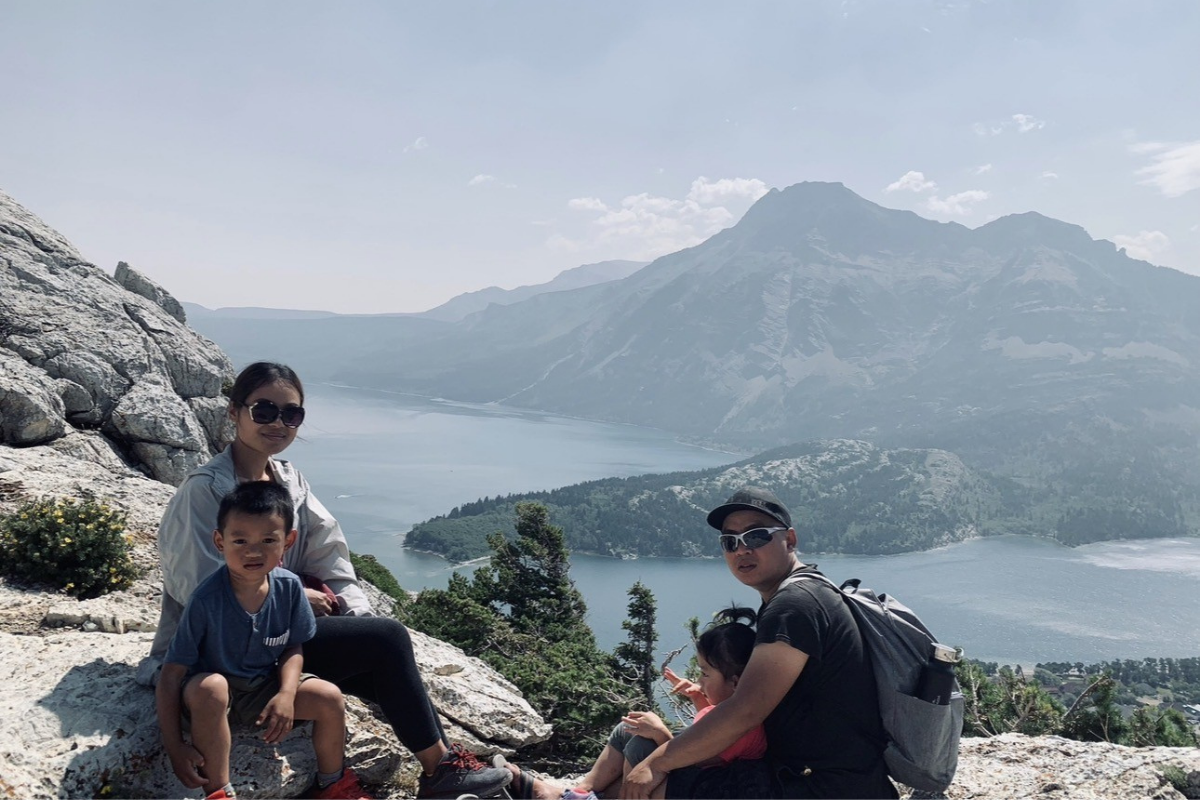
When Doe Reh tells his story, he focuses on facts.
“I was born and raised in Myanmar,” he said, “in a country that has been affected by civil war for a very long time.” When he was young, there was still joy: family, laughter, ordinary life. But as he grew older, the conflict spread and security was impossible. “Eventually, I had to go to a refugee camp for safety.”
Doe spent four or five years living in a refugee camp. Life there was limited, and the future unclear. It was a place of survival. Looking back now, he noted, “Coming to Canada felt like something I never could have imagined for myself.”
Myanmar has lived with decades of conflict, particularly affecting ethnic and religious minorities. Millions of people have been displaced, many forced to flee their homes with little more than hope that somewhere else might be safer. Doe’s story is one of many, but it is also deeply personal.
A costly new beginning
Doe didn’t arrive in Canada alone when he came as a young adult. “I came with my younger siblings and my adoptive parents,” he explained. “We became family through relationships that began in the camp.” Those relationships gave him stability when everything else was new.
Canada offered safety, but not ease.
“I’m grateful for the life I have here,” Doe said, “but there is always a cost.” Starting over meant long hours, learning a new system, and carrying responsibility for family. “Work can be demanding and with family life … it’s not always easy to balance everything.”
He was careful not to frame this as complaint. “I’ve seen families struggle. I’ve seen friends go through difficult things. Starting over comes with both opportunity and pain.”
Identity is complicated for people from Myanmar. “It’s complex,” Doe said. “Myanmar is made up of many ethnic groups, languages, and histories.”
For people from minority communities, identity is often tied to conflict, exclusion, and survival. “When I first came to Canada, I don’t think most people understood that,” he said. That misunderstanding was painful. But over time, his posture changed. “I learned to be patient, because people often just don’t know the history.”
That honesty matters. In our churches, we often celebrate welcome, but real welcome does not end at the airport or the first meal. It continues in patience, relationships, and walking with people through the long work of rebuilding a life after being deeply affected by trauma.
Watching his younger siblings grow through their own trauma and build new lives has been a gift for Doe. “They’ve grown up, found work, and moved into adulthood,” he said. “That’s one of the beautiful things about coming here. You see people get opportunities they might never have had otherwise.”
Learning patience, choosing grace
Doe never expected to become a leader. But after applying for an education grant and learning a trade, he gained a job in quality control doing Non-Destructive Testing. Over time, opportunity followed effort. “I work hard, and over time I’ve been given opportunities to lead.” His approach is simple: “Authority alone doesn’t make people follow you. Respect does.” He tries to ask rather than order, to work with people rather than over them.
Today, Doe has a family of his own. Even with demanding work, he protects time together. “We try to make the most of the time we have,” he said. “We do road trips, go camping, and explore Canada.” Those moments matter deeply to him. “My kids only get one summer each year, and I want them to enjoy it. Those are the things they’ll remember.
Stories like Doe’s don’t happen in isolation. They are shaped by communities willing to walk alongside newcomers, often quietly and faithfully. “By the grace of God, we got to Edmonton,” Doe said. “At Bethel Church, a lot of people helped our family because they were familiar with the Karen people. I want to thank everyone who helped us. They were very patient with us as we learned about the language and culture!”
For decades, World Renew has worked with churches and local sponsors across Canada to support refugee resettlement: helping families find housing, navigate systems, and begin again. This work is about providing safety and restoring dignity. It is about recognizing that newcomers are not just people with needs, but people with gifts, resilience, and leadership to offer.
When asked what he hopes for his children, Doe’s answer was familiar.
“More than anything, I want them to have a good life,” he said. “Opportunities, education, and the ability to support themselves well.” He paused, then added, “I just want them to grow up well, make wise choices, and build a stable future.”
That hope is the hope of parents everywhere. It is also a reminder that when we welcome refugees, we are not only responding to crises; we are participating in God’s work of seeing people flourish.
“I’ve tried to take life day by day and not carry bitterness,” Doe said. “I try not to spend too much time worrying about tomorrow. I’ve learned to make the best of what’s in front of me, to work hard, and to be grateful.”
Learn more about helping refugees, raising awareness, and increasing engagement with World Renew’s sponsorship and resettlement program here.
When Doe Reh tells his story, he focuses on facts.
“I was born and raised in Myanmar,” he said, “in a country that has been affected by civil war for a very long time.” When he was young, there was still joy: family, laughter, ordinary life. But as he grew older, the conflict spread and security was impossible. “Eventually, I had to go to a refugee camp for safety.”
Doe spent four or five years living in a refugee camp. Life there was limited, and the future unclear. It was a place of survival. Looking back now, he noted, “Coming to Canada felt like something I never could have imagined for myself.”
Myanmar has lived with decades of conflict, particularly affecting ethnic and religious minorities. Millions of people have been displaced, many forced to flee their homes with little more than hope that somewhere else might be safer. Doe’s story is one of many, but it is also deeply personal.
A costly new beginning
Doe didn’t arrive in Canada alone when he came as a young adult. “I came with my younger siblings and my adoptive parents,” he explained. “We became family through relationships that began in the camp.” Those relationships gave him stability when everything else was new.
Canada offered safety, but not ease.
“I’m grateful for the life I have here,” Doe said, “but there is always a cost.” Starting over meant long hours, learning a new system, and carrying responsibility for family. “Work can be demanding and with family life … it’s not always easy to balance everything.”
He was careful not to frame this as complaint. “I’ve seen families struggle. I’ve seen friends go through difficult things. Starting over comes with both opportunity and pain.”
Identity is complicated for people from Myanmar. “It’s complex,” Doe said. “Myanmar is made up of many ethnic groups, languages, and histories.”
For people from minority communities, identity is often tied to conflict, exclusion, and survival. “When I first came to Canada, I don’t think most people understood that,” he said. That misunderstanding was painful. But over time, his posture changed. “I learned to be patient, because people often just don’t know the history.”
That honesty matters. In our churches, we often celebrate welcome, but real welcome does not end at the airport or the first meal. It continues in patience, relationships, and walking with people through the long work of rebuilding a life after being deeply affected by trauma.
Watching his younger siblings grow through their own trauma and build new lives has been a gift for Doe. “They’ve grown up, found work, and moved into adulthood,” he said. “That’s one of the beautiful things about coming here. You see people get opportunities they might never have had otherwise.”
Learning patience, choosing grace
Doe never expected to become a leader. But after applying for an education grant and learning a trade, he gained a job in quality control doing Non-Destructive Testing. Over time, opportunity followed effort. “I work hard, and over time I’ve been given opportunities to lead.” His approach is simple: “Authority alone doesn’t make people follow you. Respect does.” He tries to ask rather than order, to work with people rather than over them.
Today, Doe has a family of his own. Even with demanding work, he protects time together. “We try to make the most of the time we have,” he said. “We do road trips, go camping, and explore Canada.” Those moments matter deeply to him. “My kids only get one summer each year, and I want them to enjoy it. Those are the things they’ll remember.
Stories like Doe’s don’t happen in isolation. They are shaped by communities willing to walk alongside newcomers, often quietly and faithfully. “By the grace of God, we got to Edmonton,” Doe said. “At Bethel Church, a lot of people helped our family because they were familiar with the Karen people. I want to thank everyone who helped us. They were very patient with us as we learned about the language and culture!”
For decades, World Renew has worked with churches and local sponsors across Canada to support refugee resettlement: helping families find housing, navigate systems, and begin again. This work is about providing safety and restoring dignity. It is about recognizing that newcomers are not just people with needs, but people with gifts, resilience, and leadership to offer.
When asked what he hopes for his children, Doe’s answer was familiar.
“More than anything, I want them to have a good life,” he said. “Opportunities, education, and the ability to support themselves well.” He paused, then added, “I just want them to grow up well, make wise choices, and build a stable future.”
That hope is the hope of parents everywhere. It is also a reminder that when we welcome refugees, we are not only responding to crises; we are participating in God’s work of seeing people flourish.
“I’ve tried to take life day by day and not carry bitterness,” Doe said. “I try not to spend too much time worrying about tomorrow. I’ve learned to make the best of what’s in front of me, to work hard, and to be grateful.”
Learn more about helping refugees, raising awareness, and increasing engagement with World Renew’s sponsorship and resettlement program here.